Home NBB Play Climbing Play

Climbing Play

Playground Critical Fall Height Guide

Create an outdoor play area where children can climb, explore and build confidence. Our recycled plastic playground equipment suits schools, nurseries, parks and community spaces. Where relevant, we develop our products to meet BS EN 1176, the recognised safety standards for playground equipment.

Understanding playground fall heights is essential when creating safe, compliant and enjoyable outdoor play spaces. Whether you're installing new playground equipment, upgrading an existing play area or reviewing safety requirements. Choosing suitable impact-absorbing surfacing can help reduce the risk of serious injury from falls.

Image Full

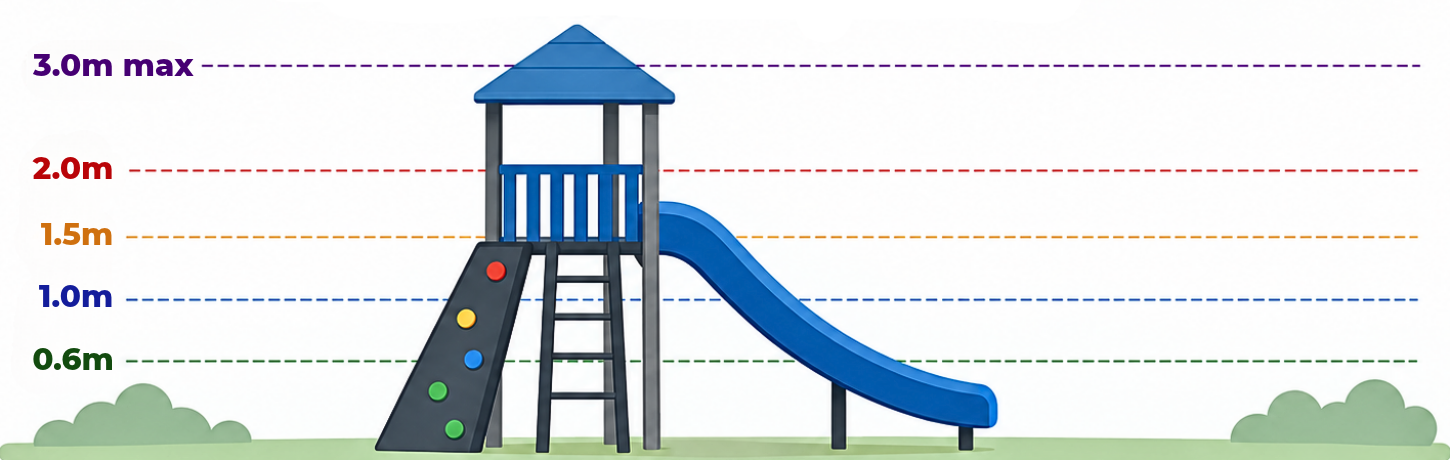
What is free fall height?

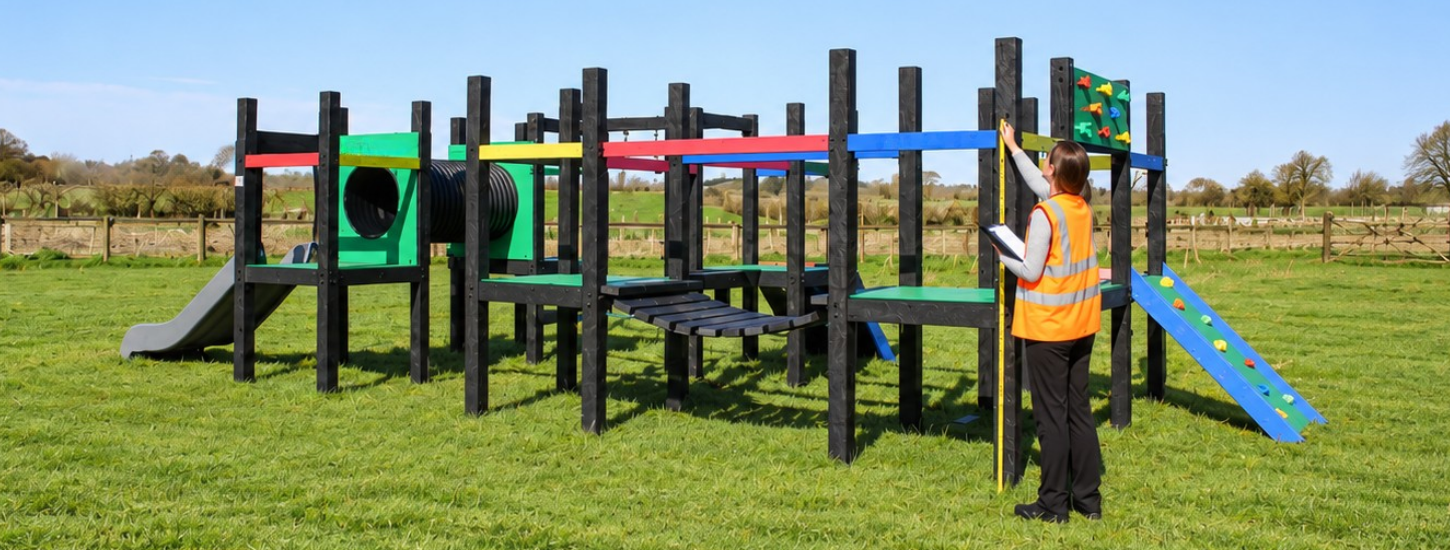
The greatest vertical distance from the intended bost support to the impact area below

When is tested surfacing required?

Beneath equipment with a free height of fall over 600mm, and beneath equipment with forced movement such and slides and rocking equipment.

Critical fall height rule

The surfacing fall height must be equal to or greater than then equipment's free height of fall.

General maximum fall height

EN 1176-1 sets a general maximum free height of fall of 3.0m.

What Is Critical Fall Height in Playgrounds?

Critical Fall Height (CFH) is the maximum fall height for which a playground surface has been tested to provide the required level of impact attenuation.

Under BS EN 1177, playground safety surfacing is assessed for its ability to reduce the severity of head impacts in the event of a fall.

The greater the free height of fall from playground equipment, the more important it becomes to ensure that the surrounding surface provides an appropriate level of protection.

For example, equipment with a free fall height of 1.5 metres requires safety surfacing with a tested critical fall height of at least 1.5 metres, where impact-attenuating surfacing is required.

Importantly, the critical fall height of the selected surface must be equal to or greater than the free height of fall of the playground equipment.

Understanding Playground Safety Surfacing Options

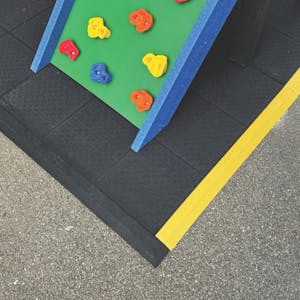
Choosing the right playground safety surfacing is essential for reducing the risk of serious injury from falls. As the free height of fall increases, the level of impact protection required also increases. Different surfaces, from natural grass to rubber safety tiles and wet pour rubber, offer varying levels of protection depending on their specification and installation. 

Image Full
Text And Image Content

0.6m or Below

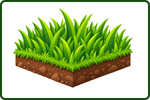
Grass or basic matting. Grass can provide a practical, natural finish for lower-level playground equipment and general recreational spaces. However, its effectiveness depends on the condition of the ground, soil depth and ongoing maintenance.
Text And Image Content

1m Fall Height

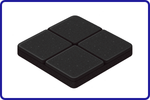
Well-maintained grass or turf may provide suitable protection, depending on ground conditions and risk assessment. Alternatively, impact-absorbing rubber safety tiles or matting can be installed.

Text And Image Content

1.5m Fall Height

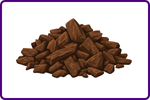
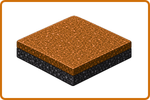
Impact-absorbing surfacing becomes increasingly important. Suitable options include tested rubber safety tiles, wet pour rubber or appropriately specified loose-fill materials. 

Text And Image Content

2m Fall Height

Grass or basic matting. Grass can provide a practical, natural finish for lower-level playground equipment and general recreational spaces. However, its effectiveness depends on the condition of the ground, soil depth and ongoing maintenance.
Text And Image Content

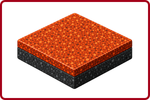
3m Fall Height

At the general maximum free fall height of 3.0m, high-performance impact-absorbing surfacing is essential. Suitable options include specially tested wet pour rubber systems, rubber safety tiles or appropriately specified loose-fill materials. The surfacing must achieve a critical fall height of at least 3.0m, with an adequately sized impact area surrounding the equipment.

Please Note: These are general examples rather than fixed surfacing specifications. Rubber tiles and wet pour systems must have suitable BS EN 1177 test evidence; their thickness alone does not determine their critical fall height. Loose-fill materials must meet the relevant material, depth and maintenance requirements of BS EN 1176. 

What British Standards Apply to Playground Surfacing?

Two important standards help guide playground equipment safety and impact protection in the UK.

When choosing playground surfacing, it is important to check that it meets the relevant British Standards and provides suitable impact protection for the equipment's fall height. Explore our range of compliant playground safety matting.

BS EN 1176 – Playground Equipment and Surfacing

This series of standards covers general safety requirements for playground equipment, including free heights of fall, impact areas, installation and inspection.

BS EN 1177 – Impact-Attenuating Playground Surfacing

This standard establishes methods for testing the impact-attenuating performance of playground surfaces and determining their critical fall height.

What Are Playground Fall Zones?

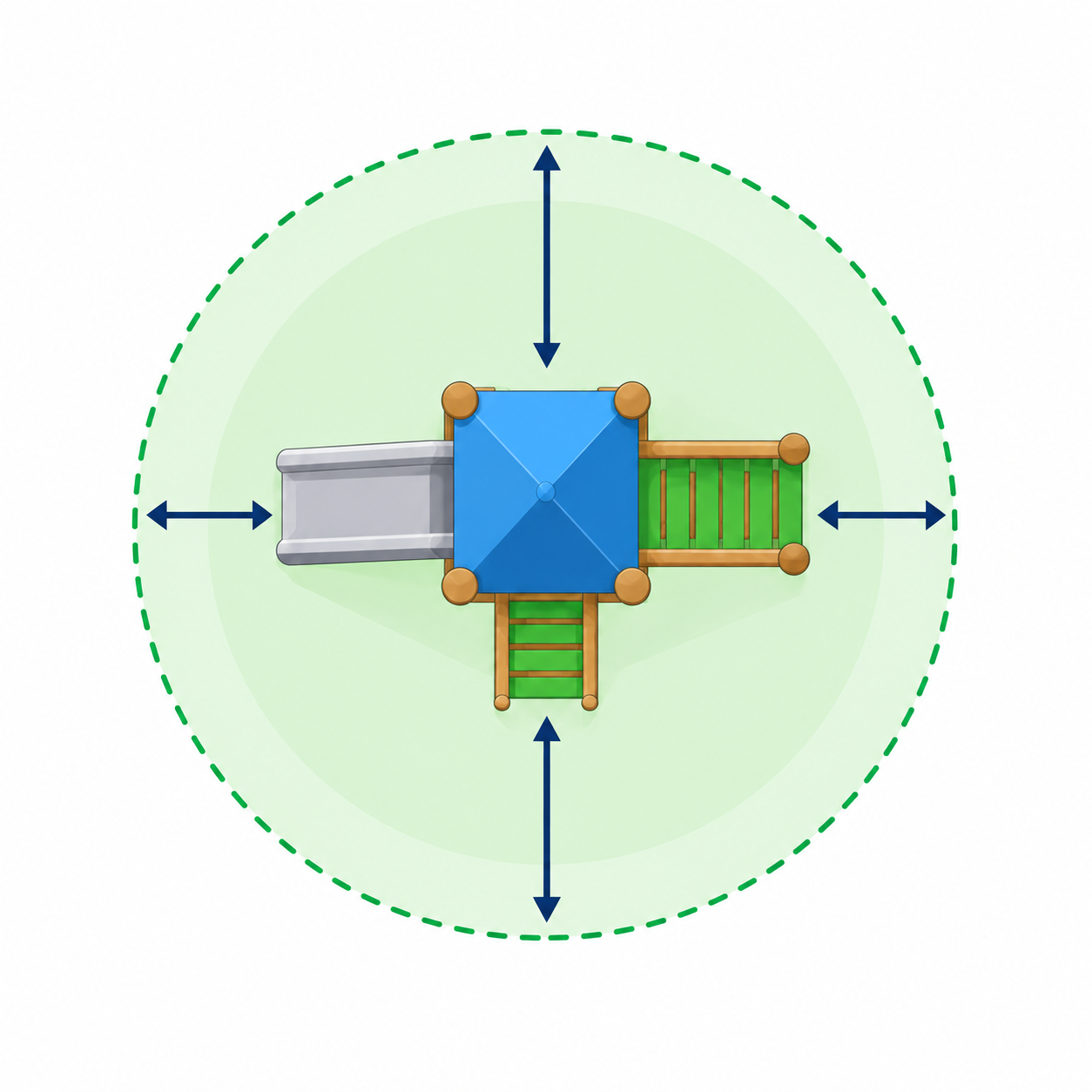
A playground fall zone is the area around and beneath play equipment where a child could land if they fall. Within UK playground safety standards, this is generally referred to as the impact area or falling space.

The purpose of a fall zone is to provide sufficient clear space around equipment and, where required, suitable impact-absorbing playground surfacing to help reduce the severity of injuries from falls.

The main standard covering playground fall zones is BS EN 1176-1:2017+A1:2023, which sets out general safety requirements for playground equipment, including free height of fall, falling spaces and impact areas.

Image Full


For most static playground equipment, BS EN 1176 uses the following general guidance:

Free Height of FallGeneral Minimum Impact Area
0.6m1.5m*
1.0m1.5m
1.5m1.5m
2.0mapprox 1.83mm
3.0m1.5m

*For free fall heights between 0.6m and 1.5m, the impact area generally extends at least 1.5m around the relevant part of the equipment.

Above 1.5m, the distance increases using the formula: 

Impact Area = (⅔ × Free Height of Fall) + 0.5m

Playground Fall Height & Safety Surfacing FAQs

  • What is the maximum fall height for playground equipment?
  • Do all playgrounds require rubber safety surfacing?
  • How thick should playground rubber matting be?
  • Can grass be used underneath playground equipment?
  • What is the difference between free height of fall and critical fall height?
  • How far should playground safety surfacing extend around equipment?
  • Does playground safety surfacing need to be inspected regularly?
  • Does Every Playground Use the Same Fall Zone?